
The Long Ago Gilded Age

Or was it? Maybe not as long ago as you might think! But it was well over a hundred years ago, right? Yes, but . . . when you look at it in terms of how many generations there have been since The Four Hundred walked this earth (400 being the number of guests that fit comfortably in Mrs. Astor's New York ballroom, thus defining the very best members of Society), you can leap from The Gilded Age to the present day in a mere two strides.
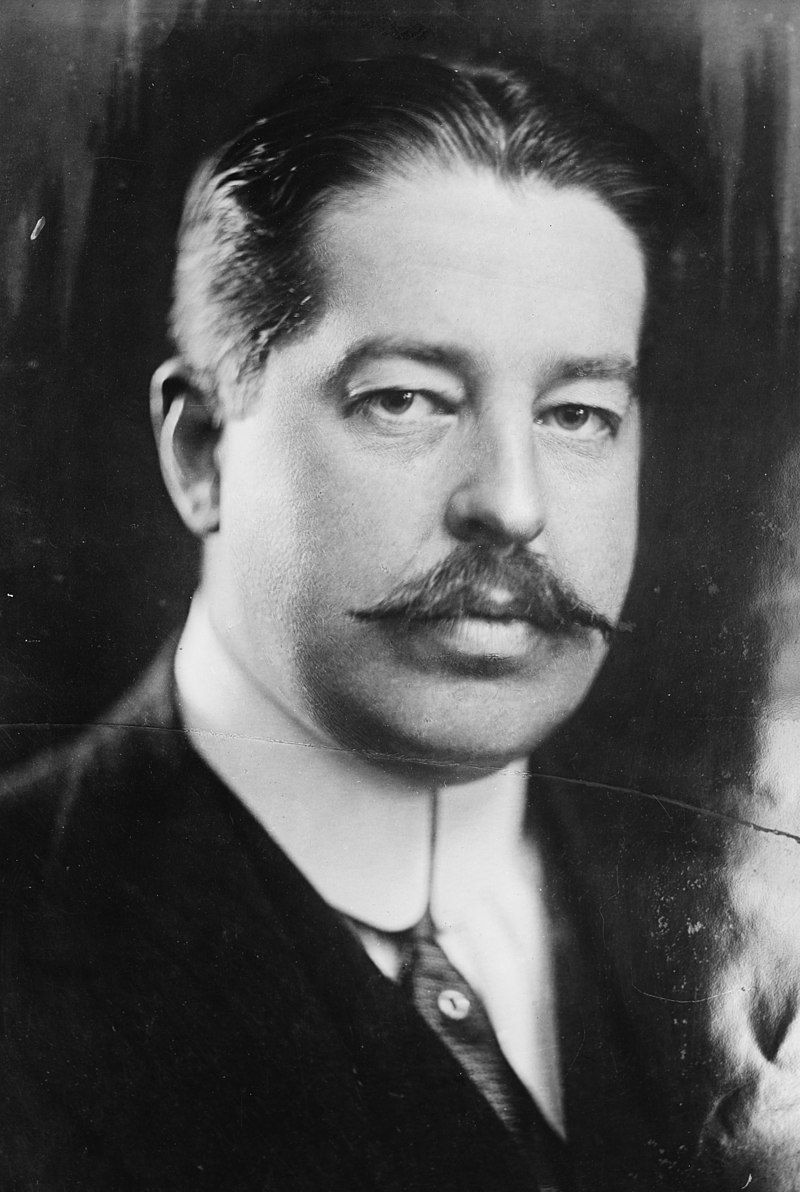
Murder at Arleigh (coming August 26th), begins with the wedding of Reginald Claypoole Vanderbilt to Cathleen Neilson in 1903. In the series, Emma is a cousin several times removed from the Vanderbilts of The Breakers, but she's close to several members and Reggie is one of them. He's got a boyish, endearing quality that tugs at Emma's heartstrings, but she knows he's eventually headed for trouble. Reggie was the youngest son of Cornelius II and Alice Claypoole Vanderbilt, and their fifth child. He also happened to be his mother's favorite, could do no wrong in her eyes, and was therefore indulged and excused for his transgressions all his life. This led, of course, to Reggie being reckless, irresponsible, and self-indulgent. I'm talking fast cars, women, gambling, and excessive drinking, this last beginning when he was still a teenager.
I will also add that Reggie loved horses. He built Sandy Point Farm in Portsmouth, RI, at the

north end of Aquidneck Island, where he raised some of the finest thoroughbreds to be found anywhere. Emma visits Reggie at Sandy Point Farm in Murder at Arleigh. It's still a working stable today, although Reggie's grand house is gone and grounds are considerably smaller.
Given his preference for hard, fast living, it is any wonder his marriage to his child bride, Cathleen, was destined to be an unhappy one? They had one daughter together, but by their tenth anniversary Reggie had plunged them into debt and effectively abandoned his wife and child. They finally divorced in 1920, and only three years later Reggie married the beautiful socialite, Gloria Morgan. Not even Reggie's divorce and debauched life could dim his shining light in his mother's eyes. It's said that when she met her new daughter-in-law, she asked why Gloria wasn't wearing pearls. When Gloria said Reggie couldn't afford them, Alice asked for scissors and cut a length from the considerable rope dangling from her neck. Her son's wife would have pearls!

It's worth noting here that Gloria had a twin sister, Thelma, who moved to England and became the mistress of the Prince of Wales, i.e., Edward VIII. When Thelma sailed home to be with Gloria during her pregnancy, she asked her friend, Wallis Simpson, to keep an eye on the prince for her - and the rest is history. But I digress.
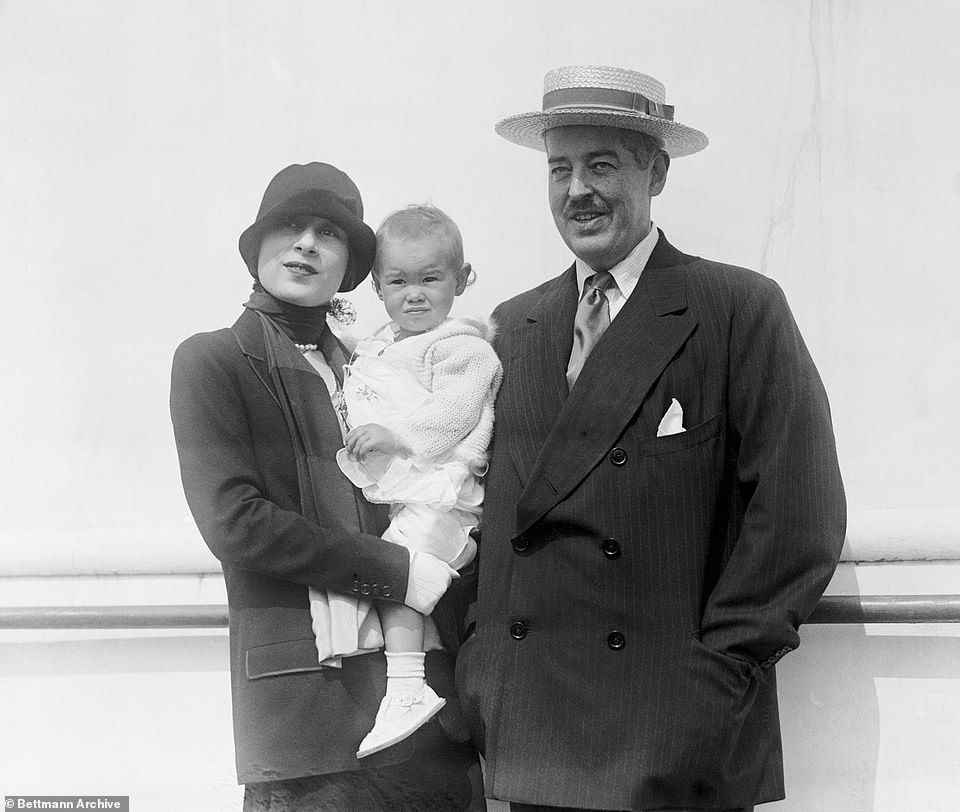
Reggie and Gloria would also have only one child during their short marriage, a daughter also named Gloria. That's right, Gloria Vanderbilt, fashion designer and the mother of Anderson Cooper. Sadly, Reggie's drinking caught up to him in 1925, when he died of a hemorrhage resulting from advanced cirrhosis of the liver. Despite his having squandered most of his inheritance, he left little Gloria enough to make her the subject of a heated family custody battle, between her mother and her aunt, Gertrude Vanderbilt Whitney. But be all of that as it may, we just went from the Gilded Age to the present day in two quick generational hops.


Looking back at the late nineteenth century through the metaphor Mark Twain and Charles Dudley Warner coined reveals an era whose glittering gold exterior thinly masked widespread social volatility and industrial upheaval. While the rapid expansion of transcontinental railroads, Bessemer steel mills, and sprawling finance empires created unimaginable private fortunes, it simultaneously forced millions of factory laborers and tenant farmers into precarious living conditions. I was reading through an incisive historiography paper and political economy critique examining monopoly trust formation, currency deflation battles, and early federal regulatory experiments over at https://veergamelogin.in.net/ this morning, and seeing how concentrated corporate capital reshaped the American constitutional landscape proves why this transformative epoch remains the definitive blueprint for modern industrial society.
The extravagant architectural displays of Newport, Rhode Island, and Manhattan’s Fifth Avenue—where limestone palazzos were constructed to mimic Loire Valley châteaux—served as physical stages for an emerging elite eager to project aristocratic legitimacy. Importing entire Renaissance ballrooms, antique marble fireplaces, and grand European artwork was less about quiet personal appreciation and more about asserting lineage in a culture that lacked traditional nobility. An architectural historian on https://jaiclubgame.in.net/ was detailing Beaux-Arts design principles, historic preservation battles surrounding Vanderbilt estates, and conspicuous consumption sociology yesterday, and learning how these opulent mansions were engineered to intimidate rivals underscores the deliberate performance behind high-society living.
Beneath the ballroom galas and debutante pageantry, the explosive growth of urban labor movements—from the Great Railroad Strike of 1877 to the Homestead and Pullman conflicts—demonstrated the fierce struggle over basic industrial dignity. When workers banded together to demand eight-hour workdays, safe factory floors, and living wages, state and private forces frequently met them with armed resistance. Stumbled into an engaging chat exploring trade union formation, labor strike logistics in company towns, and the early legal battles over collective bargaining on https://raxiwinlogins.in.net/ recently, and recognizing that modern labor standards were paid for with immense human sacrifice highlights the working-class backbone that truly built the nation's infrastructure.
The rise of machine politics, most famously embodied by Tammany Hall in New York City, created a complex shadow system of urban welfare and patronage that thrived on newly arriving immigrant populations. While political ward bosses enriched themselves through kickbacks and graft on public infrastructure projects, they also provided immediate relief—delivering winter coal, food baskets, and municipal jobs when formal social safety nets were nonexistent. Picked up a really well-explained perspective on municipal patronage networks, civil service reform under the Pendleton Act, and urban demographic shifts via https://dmfirstgames.in.net/ earlier, and understanding the pragmatic survival bargains struck by immigrant neighborhoods proves that urban politics was far more complicated than simple corruption.
Revisar la loteria de hoy resulta más sencillo cuando toda la información aparece claramente presentada. Este tipo de contenido puede ahorrar bastante tiempo y permite comprobar los datos sin tener que recorrer diferentes páginas.